Gleanings From a Year on the Road…
A SABBATICAL OF BECOMING
Vulnerability, Learning, and Return
When my sabbatical began, I imagined a year measured by study, travel, observation, and renewed professional clarity. I intended to visit thriving congregations, ask difficult questions about the changing landscape of American religious life, and continue my Doctor of Ministry work in transformational congregational leadership. I wanted to understand what healthy communities do well: how they build trust, navigate change, cultivate meaning, and remain responsive to the people they serve.
Those questions remained important. Yet the year asked something more personal of me. Before I could study transformation as a model of leadership, I had to experience transformation as a human being.
I entered the sabbatical at a threshold, with seven meaningful years of congregational service behind me and an unwritten chapter ahead. For much of my rabbinate, I had accompanied others through moments of transition. Now I was learning to inhabit transition myself, with fewer familiar markers and more room for reflection. The experience brought a quieter vulnerability: learning to release certainty, to listen for what might emerge, and to ask anew what sacred service could look like beyond a familiar pulpit.
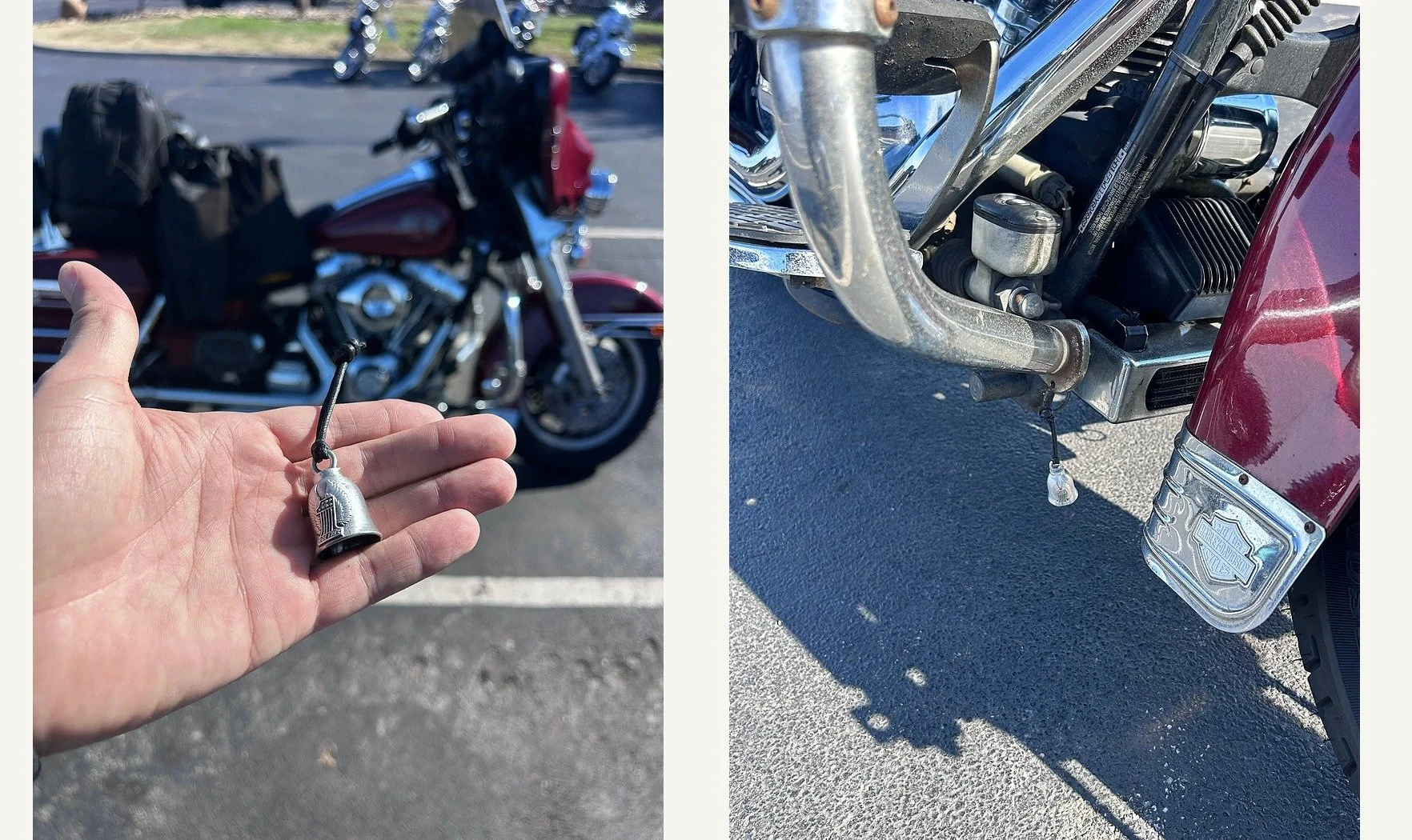
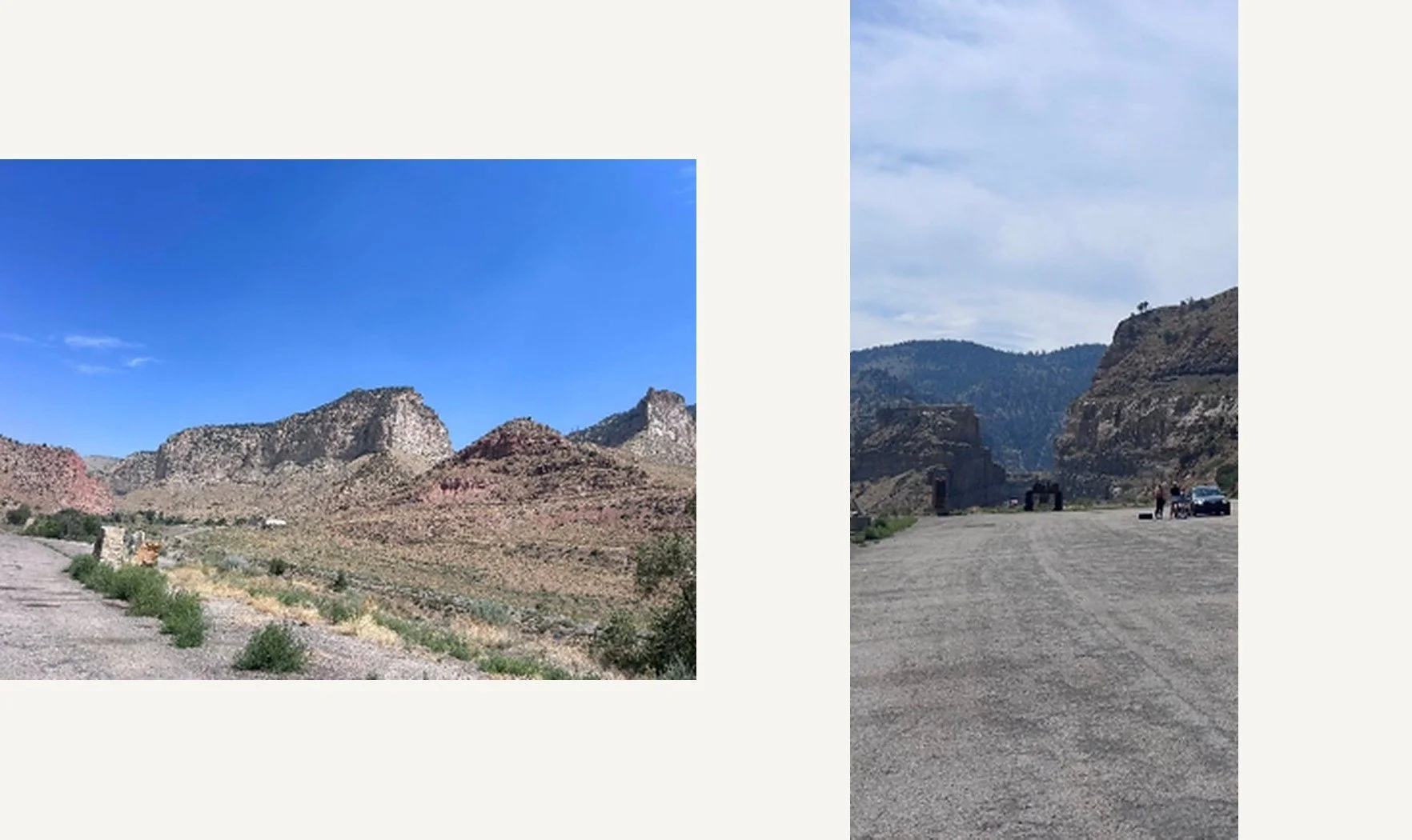
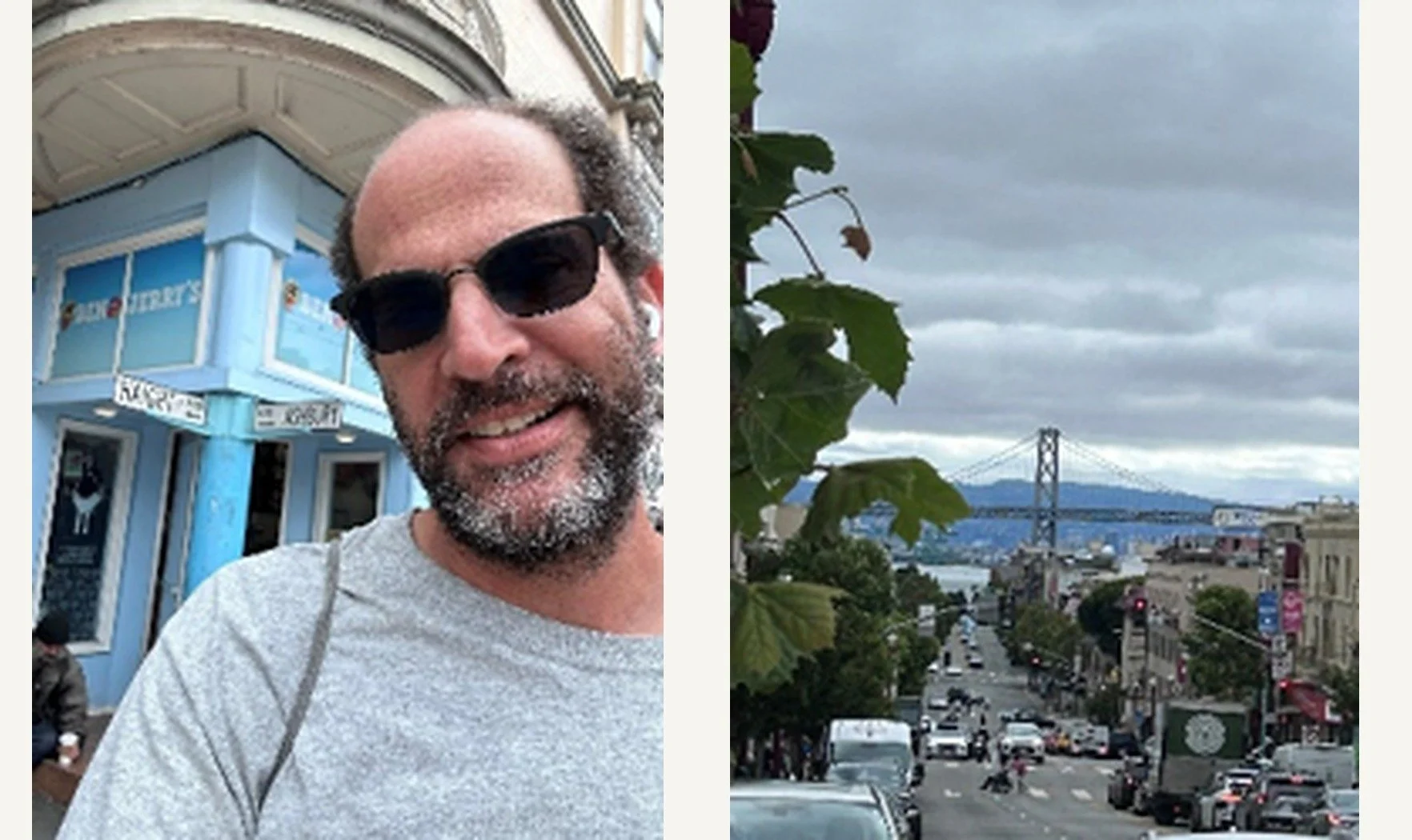
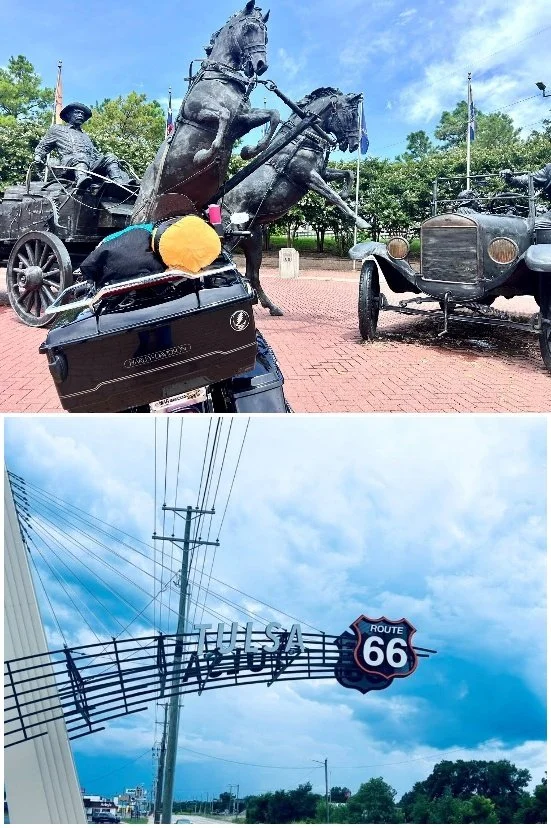
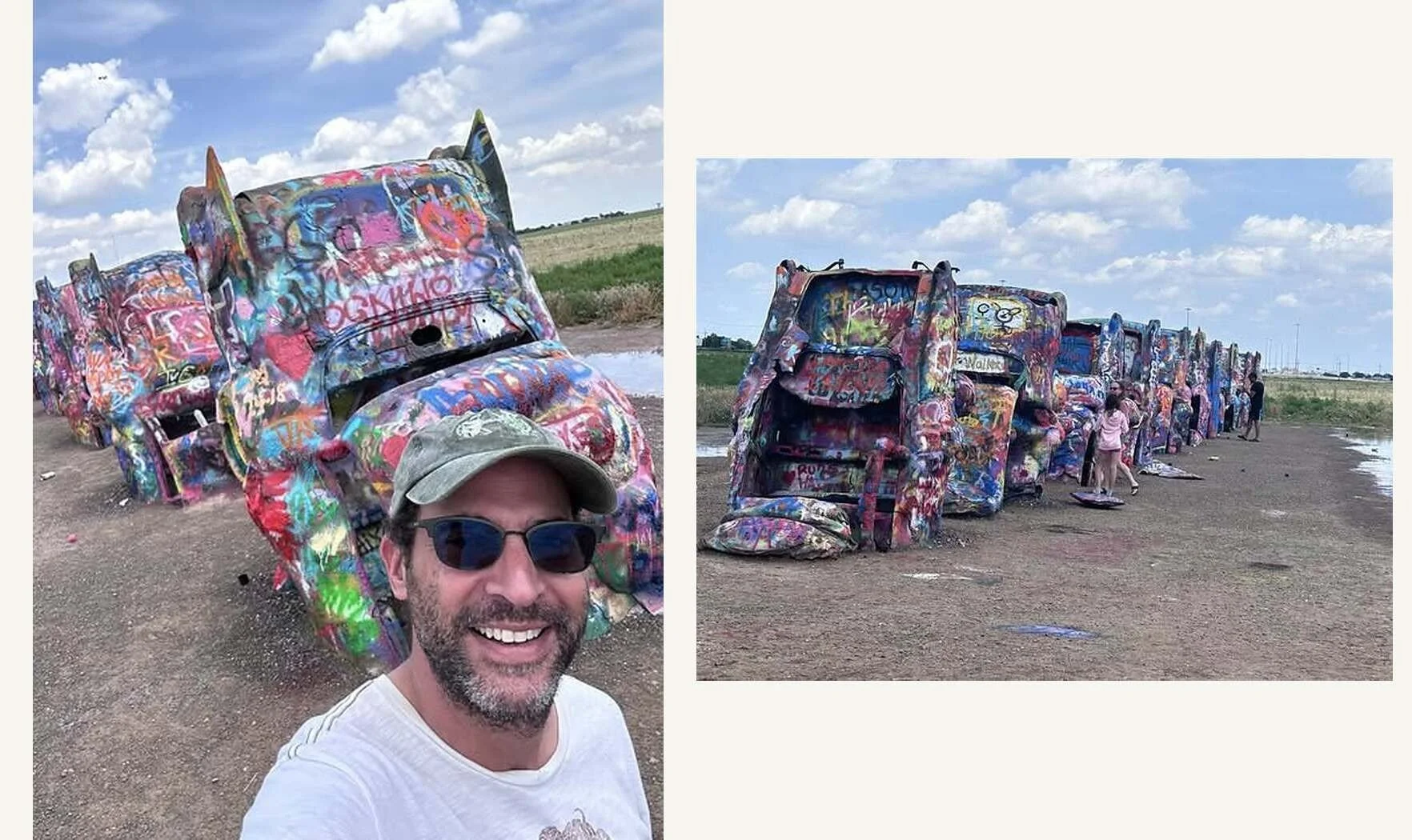
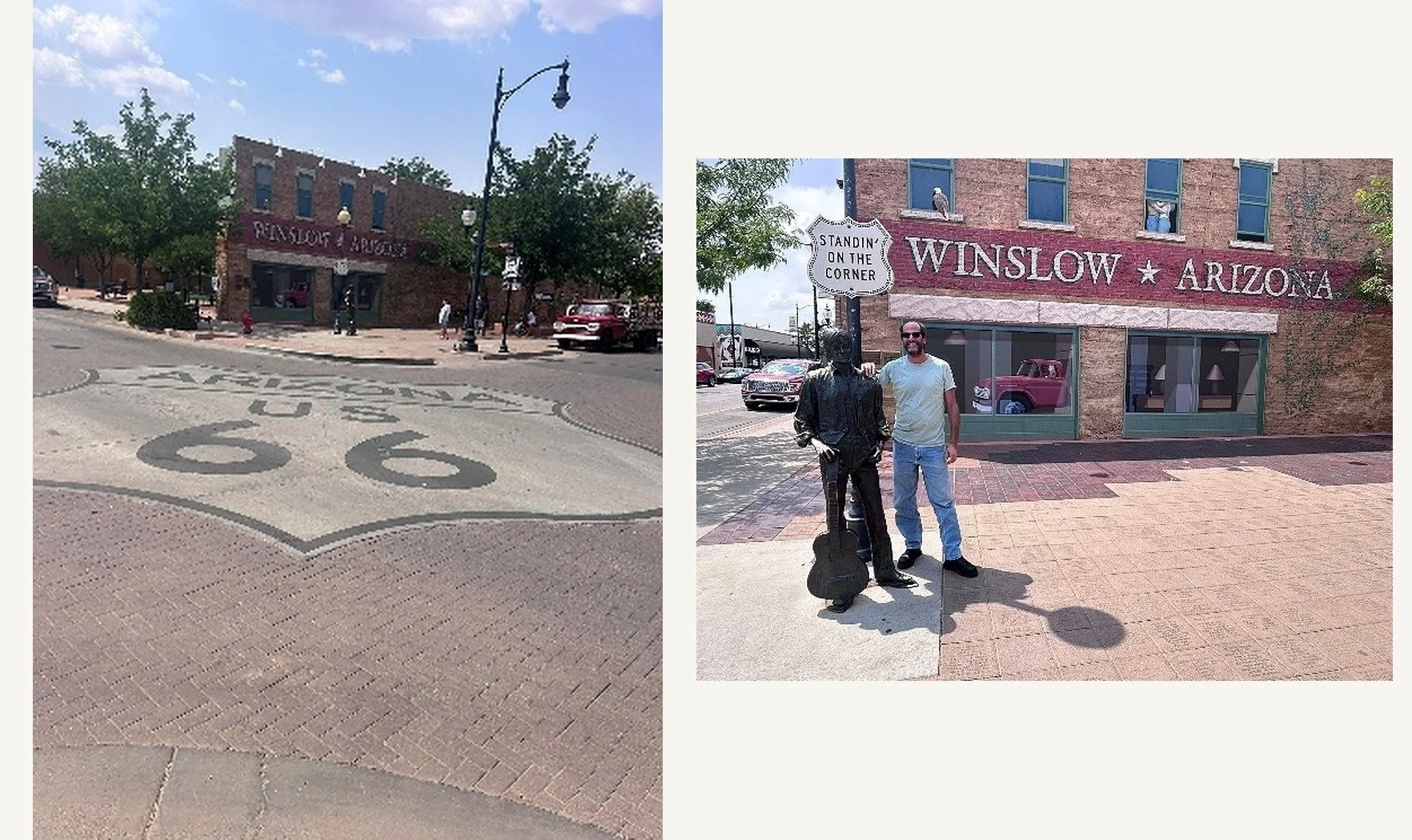
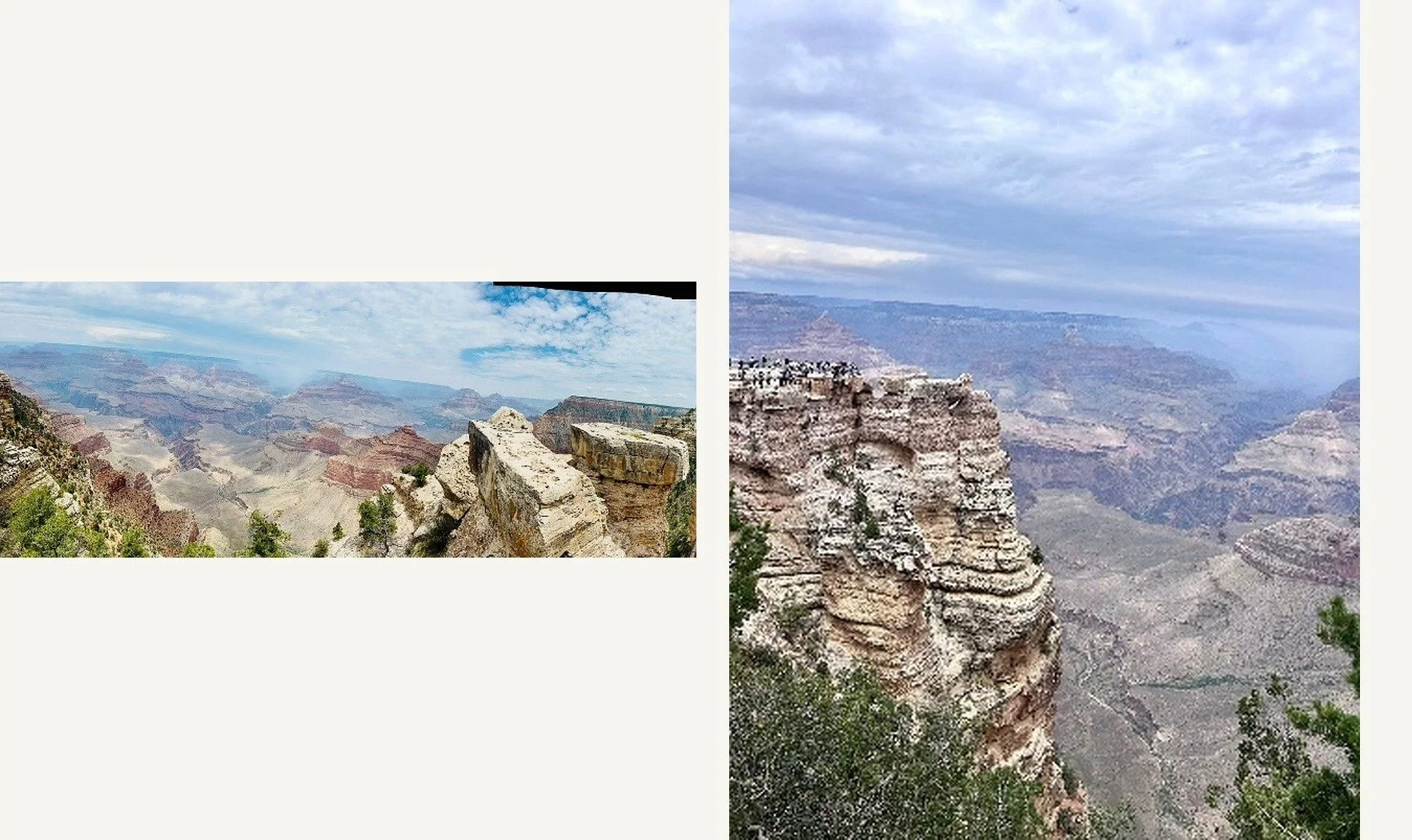
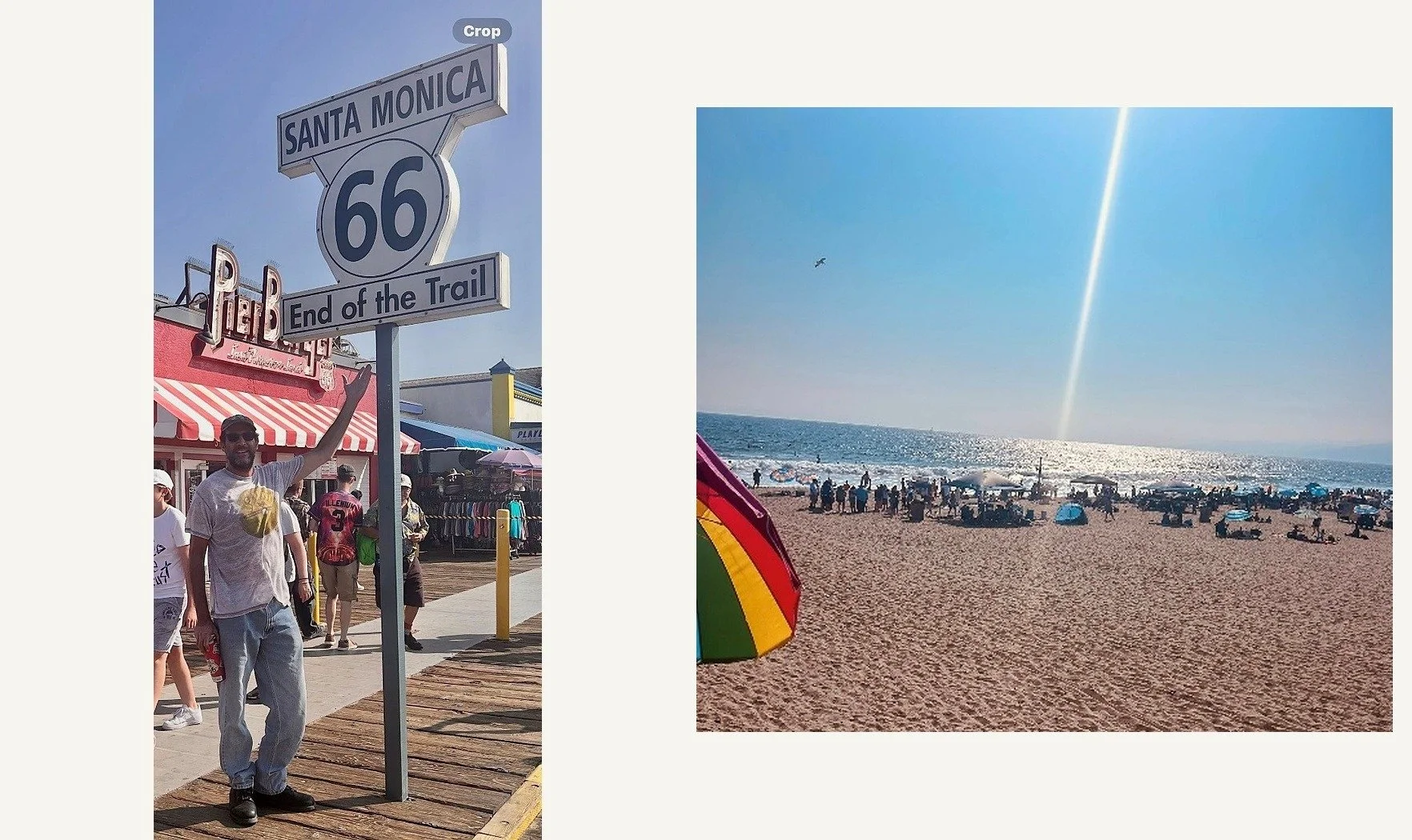
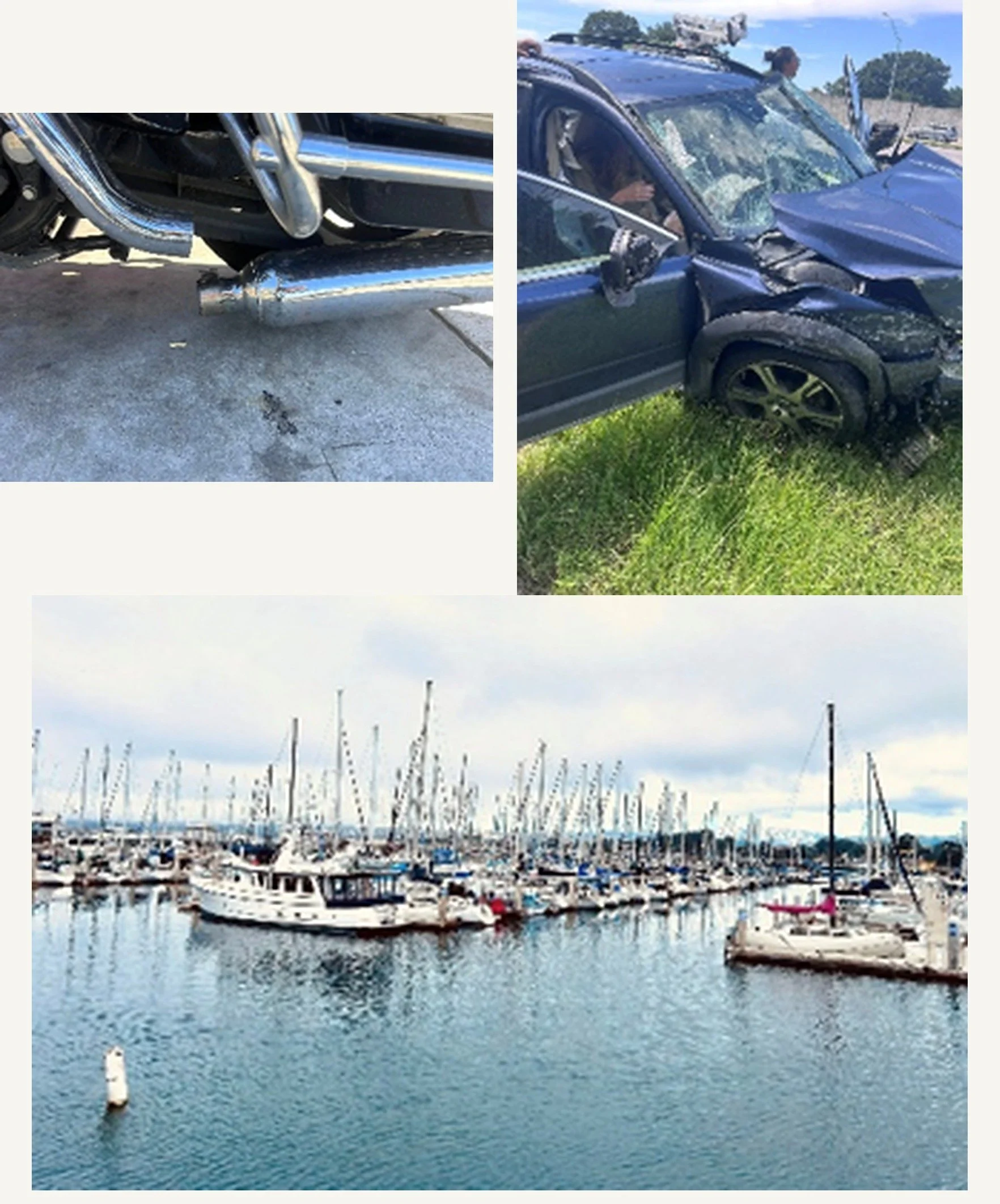
The road became one of my teachers. On a motorcycle journey westward along Route 66 and the Pacific Coast, I began sharing photographs, music, encounters, and brief reflections online. What started as a way to remain connected became an unexpected form of homiletics. A hotel clerk, a mechanic, an Uber driver, an old congregant, and a stranded family became characters in a shared spiritual narrative. The landscape became text. Conversation became Torah. A scattered community leaned in to listen and, in turn, helped shape the teaching.
That experience became the subject of my DMin homiletics paper. It helped me name something I had practiced for years but had not fully articulated: preaching is not confined to a sanctuary, and community is not created only through programs or institutions. Sacred community forms whenever people feel seen, when stories are received with care, and when our ordinary encounters open a window toward meaning. Vulnerability did not diminish my rabbinate; offered with integrity, it deepened the relationship between teacher and listener.
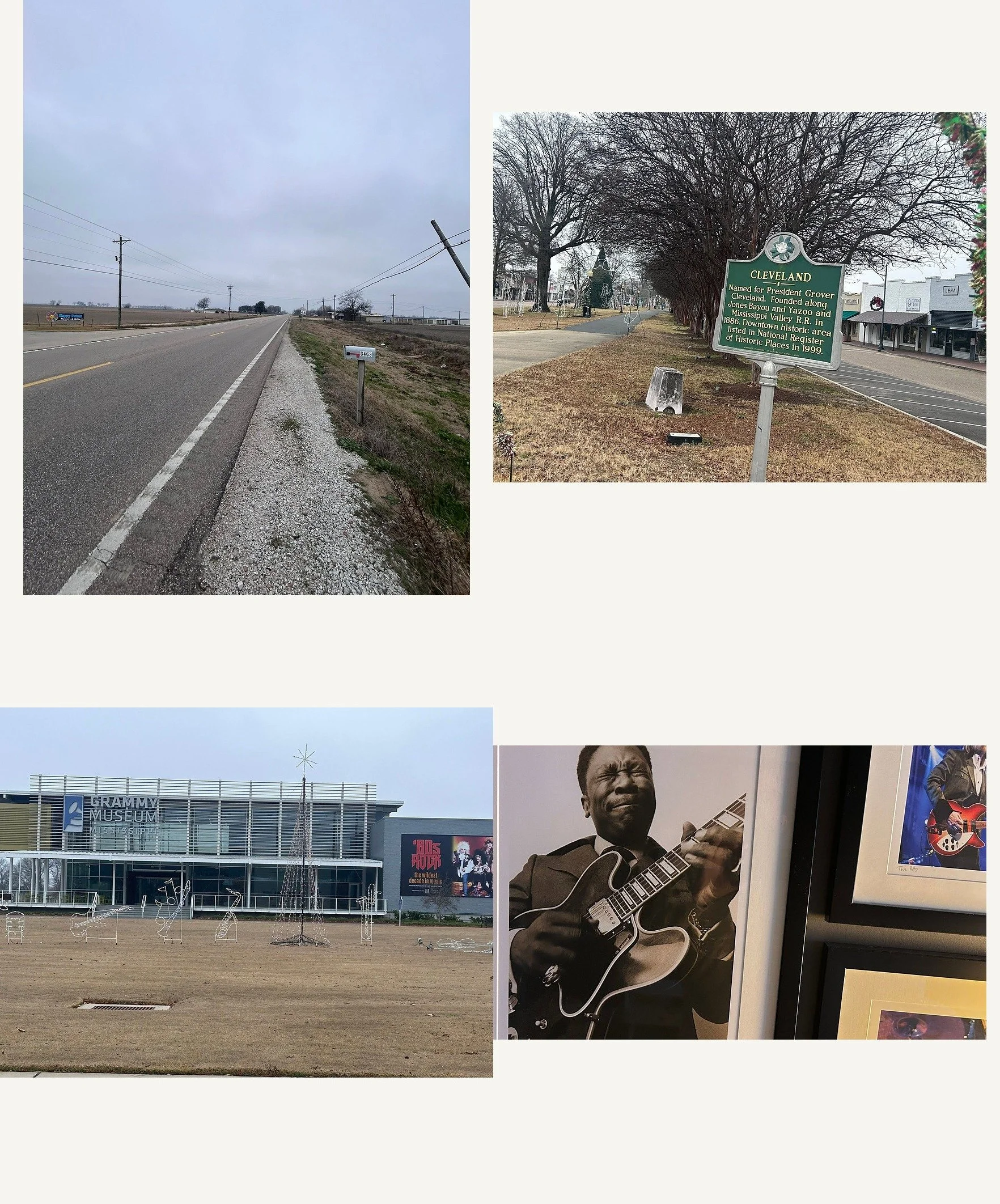
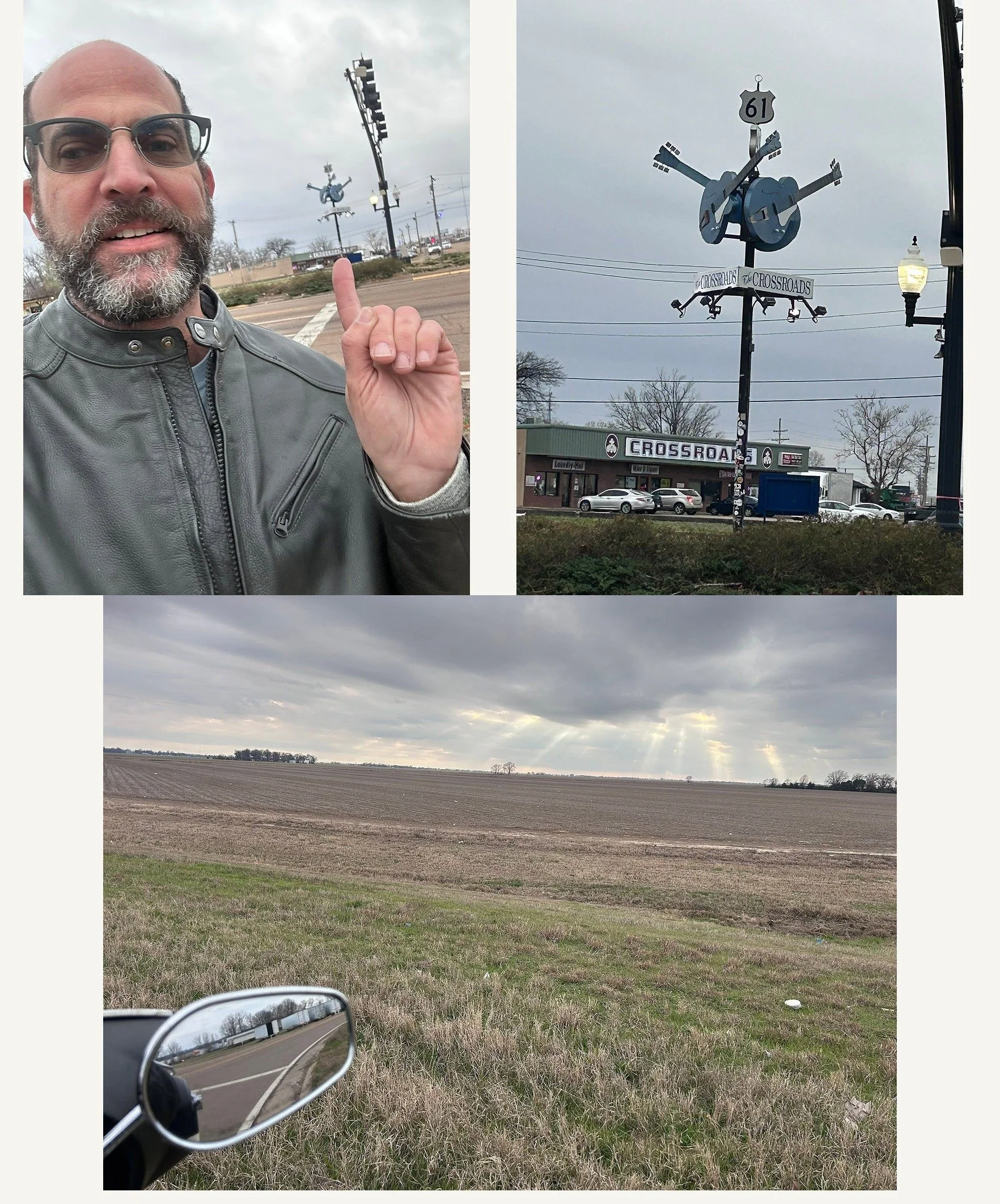
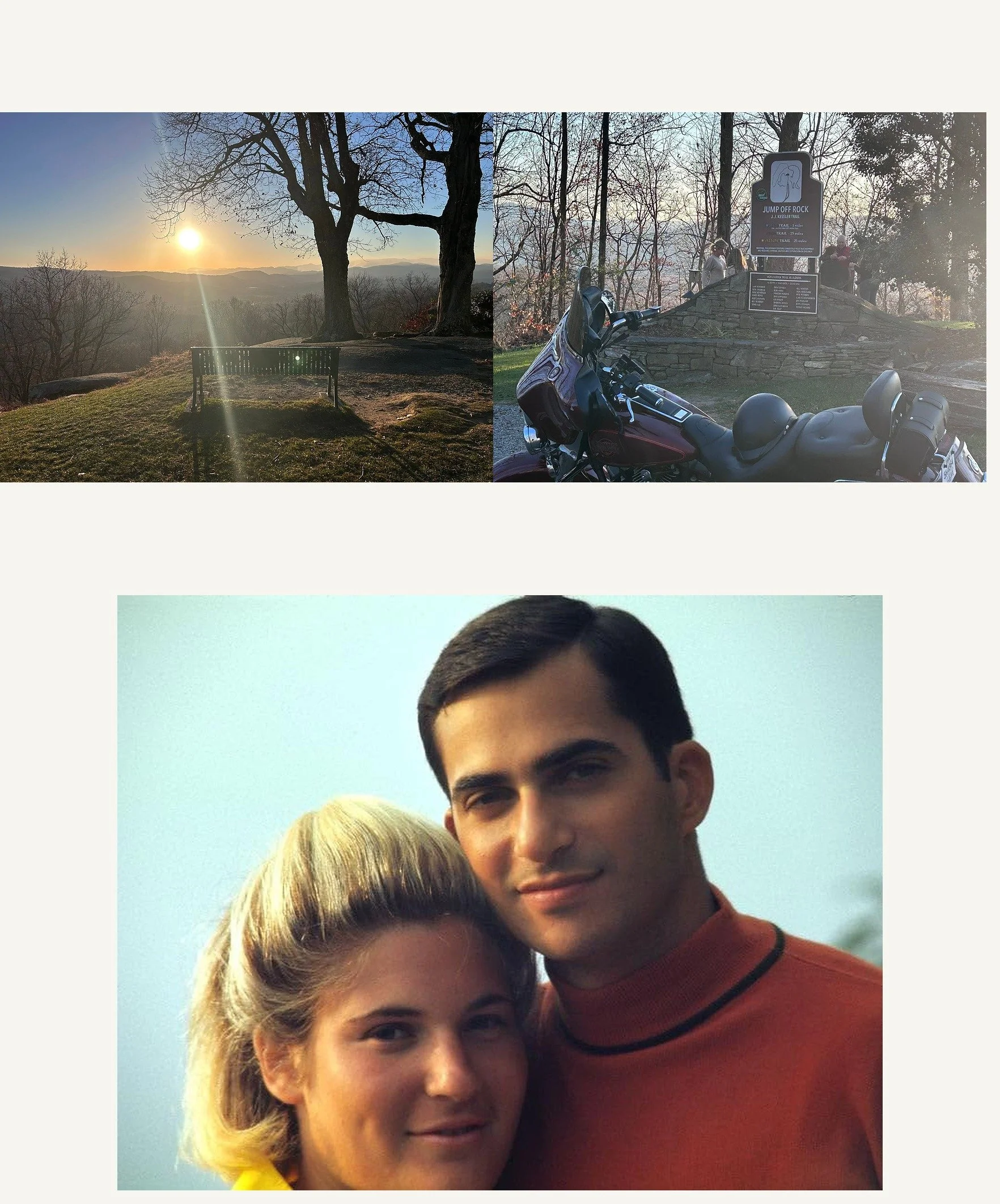
Thousands of additional miles were spent exploring the East Coast and south, rediscovering my family’s roots. I even had a dive into the Deep South and a lesson with Robert Johnson in The Blues; with that, I did find the Jews. Over 35,000 miles, 31 states, and nine countries. I led the High Holy Days on a cruise ship through the Panama Canal; imagine Yom Kippur at a 250 year-old cemetery in Kingston, Jamaica. Later, we found the Afikomen off the coast of Mexico. I learned the sound of my own voice, and the questions upon my heart. I learned that everyone has a story, and people just want to feel heard. I learned proper prior preparation, and the humor to be found in every changing situation.
The sabbatical ultimately carried me through far more than miles. It gave me time with family, space for study and prayer, long stretches of solitude, and encounters with communities across the country and beyond. It taught me patience - savlanut - not as passive waiting, but as the discipline of allowing growth to unfold without forcing its conclusion. I learned again that leadership begins with listening, that authenticity requires both courage and restraint, and that renewal cannot be hurried.
My return to congregational life at Temple Beth El of South Orange County has allowed me to carry these lessons back into sacred practice. Interim leadership asks for precisely this kind of presence: honoring what has been, listening carefully to what is, and helping a community imagine what might come next. I have returned to the work I love with greater steadiness, deeper curiosity, and renewed confidence in the power of relationship.
I began the year seeking best practices and professional clarity. I discovered that renewal was not only something I needed to study; renewal was something I had to live. The sabbatical did not take me away from the rabbinate. It returned me to it - more grounded, more patient, and more fully myself.